Hired A Bad Home Contractor? Here Is How To Get Help

Home renovations can be incredibly exciting. You're envisioning a brighter, more functional space, a kitchen that inspires culinary creativity, or a bathroom that feels like a personal spa. The process starts with dreams and quickly moves to planning, budgeting, and, crucially, hiring the right contractor. A skilled and reliable contractor can transform your vision into reality, making the entire experience smooth and rewarding.
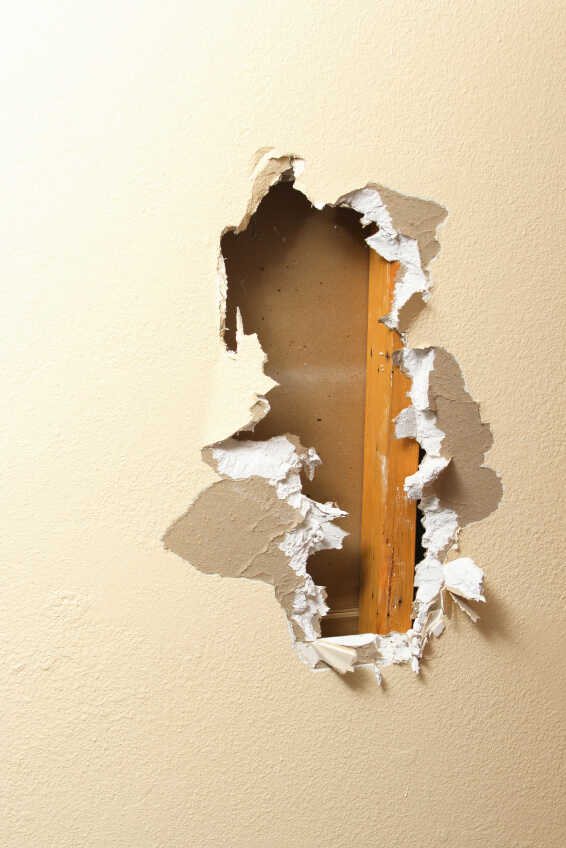
However, the reality can sometimes be far from the dream. Imagine investing a significant amount of money and time, only to find yourself dealing with shoddy workmanship, unfulfilled promises, and endless delays. The stress and frustration can be overwhelming. You might be left with a half-finished project, a damaged home, and a growing sense of despair.
Unfortunately, many homeowners find themselves in this exact predicament. Hiring a bad home contractor can be a nightmare, leading to financial losses, emotional distress, and even legal battles. The key is to know your rights and understand the steps you can take to protect yourself and rectify the situation.
Navigating the world of home improvement can be challenging, and finding yourself in a dispute with a contractor can feel isolating. You're not alone, and there are resources available to help you navigate these difficult waters. Taking swift and decisive action can often mitigate further damage and help you find a resolution.
If you've found yourself in this unfortunate situation, it's crucial to understand your options and the steps you can take to get back on track. This guide is designed to provide you with practical advice and resources to help you if you've **Hired a Bad Home Contractor? Here is How to Get Help**. It's time to take control of the situation and find a path forward.
Understanding Your Contract and Legal Rights
Reviewing Your Contract Meticulously
The first and most crucial step is to carefully review your contract. This document is the foundation of your agreement with the contractor and outlines the scope of work, payment schedule, timelines, and any guarantees or warranties. Pay close attention to the fine print, including clauses about dispute resolution and termination.
Look for specific details regarding materials to be used, brands, and models if applicable. Ensure that the contract clearly defines the responsibilities of both parties. A well-written contract protects both you and the contractor, but a vague or poorly written one can lead to misunderstandings and disputes.
If you find any ambiguities or inconsistencies, consult with an attorney. They can help you interpret the contract and understand your rights under the law. Don't hesitate to seek professional legal advice, especially if the amount of money involved is significant.
Keep detailed records of all communications with the contractor, including emails, text messages, and phone calls. These records can be invaluable if you need to pursue legal action later. Document everything, even seemingly insignificant conversations.
Make sure you understand the payment schedule outlined in the contract. Avoid paying large sums upfront, and tie payments to specific milestones of completed work. This gives you leverage and ensures that the contractor is motivated to complete the project to your satisfaction.
Knowing Your Legal Recourse Options
Depending on the severity of the situation and the terms of your contract, you may have several legal options available. These options may include mediation, arbitration, or filing a lawsuit in court.
Mediation involves working with a neutral third party to try and reach a mutually agreeable resolution. This is often a less expensive and time-consuming option than going to court. A mediator can help facilitate communication and identify common ground.
Arbitration is a more formal process where a neutral arbitrator hears both sides of the case and makes a binding decision. This decision is typically enforceable in court. Arbitration is often faster and less expensive than litigation.
Filing a lawsuit is the most formal and potentially expensive option. It involves presenting your case to a judge or jury and seeking a judgment against the contractor. This option may be necessary if mediation and arbitration fail or if the damages are significant.
Consider consulting with an attorney to determine the best course of action for your specific situation. They can advise you on your legal rights and help you navigate the legal process.
Understanding Mechanic's Liens and How to Avoid Them
A mechanic's lien is a legal claim against your property filed by a contractor, subcontractor, or supplier who has not been paid for their work or materials. This lien can cloud the title to your property and make it difficult to sell or refinance.
To avoid mechanic's liens, ensure that all contractors, subcontractors, and suppliers are paid promptly. You can request lien waivers from each of them, which are documents that release their right to file a lien against your property.
You can also consider using a joint check system, where you make checks payable to both the contractor and the supplier. This ensures that the supplier is paid directly and reduces the risk of a lien being filed.
Keep accurate records of all payments made to contractors, subcontractors, and suppliers. This documentation can be crucial if a dispute arises or if a lien is filed against your property.
If you receive a notice of a mechanic's lien, consult with an attorney immediately. They can advise you on your rights and options for resolving the lien.
Documenting the Problems and Gathering Evidence
Taking Detailed Photos and Videos
Visual documentation is critical. Before the contractor begins work, take "before" pictures of the area. Then, as problems arise, document everything with photos and videos. This includes poor workmanship, unfinished tasks, damaged materials, and any other issues.
Ensure your photos are clear and well-lit. Take multiple shots from different angles. Videos can be particularly helpful in showcasing the extent of the damage or the poor quality of the work. Don't assume anything is too minor to document; even seemingly small issues can contribute to a larger pattern of negligence.
Date and time stamp your photos and videos to establish a clear timeline of events. Back up your files to multiple locations, such as a cloud storage service and an external hard drive, to prevent data loss.
If possible, use a measuring tape to show the dimensions of any defects or damage. This provides concrete evidence of the problem's severity. For example, if tiles are uneven, show the height difference with a measuring tape in the photo.
These visuals will be invaluable when communicating with the contractor, filing complaints, or pursuing legal action. They provide concrete proof of the issues you're experiencing and can help strengthen your case.
Compiling All Communication and Paperwork
Gather every piece of communication you've had with the contractor. This includes emails, text messages, letters, contracts, change orders, invoices, and payment receipts. Organize these documents chronologically and keep them in a safe place.
Print out digital communications and store them with your physical documents. Create a detailed log of all phone calls, including the date, time, and a summary of the conversation. If possible, record phone calls (with the contractor's consent, if required by law in your state).
Carefully review all paperwork for discrepancies or inconsistencies. Pay attention to dates, amounts, and descriptions of work performed. If you find any errors, note them and bring them to the contractor's attention immediately.
Create a file system, either physical or digital, to keep all your documents organized and easily accessible. This will save you time and frustration when you need to find specific information.
This comprehensive collection of communication and paperwork serves as a crucial record of your interactions with the contractor and the progress (or lack thereof) of the project. It provides a solid foundation for any claims you may need to make.
Obtaining Independent Expert Opinions
Consider hiring an independent expert, such as a home inspector, architect, or structural engineer, to evaluate the quality of the contractor's work. Their professional opinion can provide objective evidence of the defects and deficiencies.
Choose an expert who is licensed and experienced in the specific area of construction in question. For example, if you have concerns about the electrical work, hire a licensed electrician to inspect it.
Ask the expert to provide a written report detailing their findings, including specific descriptions of the problems and recommendations for repairs. This report can be used as evidence in negotiations, mediation, or legal proceedings.
Be prepared to pay for the expert's services. While it may seem like an added expense, their objective assessment can be invaluable in resolving the dispute with the contractor.
The expert's opinion provides credibility to your claims and can help you determine the extent of the damage and the cost of repairs. It also demonstrates that you are taking the issue seriously and are willing to invest in finding a resolution.
Communicating Effectively with the Contractor
Documenting All Communication in Writing
While verbal communication is sometimes necessary, it's essential to document all important conversations in writing. This provides a clear record of what was discussed, agreed upon, and any concerns raised. Email is often the most efficient way to communicate, as it automatically creates a written record.
Always follow up phone calls with a written summary of the conversation, confirming the key points and any actions agreed upon. This helps to avoid misunderstandings and provides a reference point for future discussions.
If you have a face-to-face meeting, take notes and send a follow-up email summarizing the meeting and any decisions made. This ensures that everyone is on the same page and that there is a clear record of the agreement.
Avoid relying solely on verbal agreements, as they can be difficult to prove later. Always get everything in writing, even seemingly minor details. This protects your interests and helps to avoid disputes.
By documenting all communication in writing, you create a verifiable record of your interactions with the contractor, which can be invaluable if you need to pursue legal action.
Expressing Concerns Clearly and Concisely
When communicating with the contractor, be clear and concise in expressing your concerns. Avoid vague or emotional language, and focus on specific issues with the work performed. Provide detailed descriptions of the problems, along with supporting evidence, such as photos or expert opinions.
State your expectations clearly and explain what you want the contractor to do to rectify the situation. Be reasonable and realistic in your demands, and be willing to negotiate a fair resolution.
Avoid personal attacks or accusatory language, as this can escalate the conflict and make it more difficult to reach a resolution. Focus on the facts and the issues at hand.
Be assertive but respectful in your communication. Stand your ground and advocate for your rights, but do so in a professional and courteous manner.
By expressing your concerns clearly and concisely, you increase the likelihood of the contractor understanding your perspective and taking your concerns seriously.
Setting Realistic Expectations for Resolution
It's important to have realistic expectations for how the dispute will be resolved. Understand that it may take time and effort to reach a satisfactory outcome, and be prepared to compromise.
Consider the contractor's perspective and be willing to negotiate a fair resolution that addresses both your concerns and their interests. A mutually agreeable solution is often the best way to avoid costly and time-consuming legal battles.
Be patient and persistent in your efforts to resolve the dispute. Don't give up easily, but also be willing to walk away if the contractor is unwilling to cooperate or compromise.
Seek advice from an attorney or mediator to help you assess your options and develop a realistic strategy for resolution. They can provide objective guidance and help you navigate the process.
By setting realistic expectations for resolution, you can avoid unnecessary frustration and increase the likelihood of reaching a satisfactory outcome.
Filing Complaints with Relevant Agencies
Identifying the Appropriate Licensing Board
Most states require contractors to be licensed, and these licenses are typically managed by a state or local licensing board. Identifying the appropriate licensing board for your contractor is crucial for filing a formal complaint.
Search online for "[your state] contractor licensing board" to find the relevant agency. The board's website will usually provide information on how to file a complaint, including the required forms and documentation.
Check the contractor's license status on the licensing board's website to ensure that their license is active and in good standing. If their license has been suspended or revoked, this can strengthen your complaint.
Be aware of any deadlines for filing a complaint with the licensing board. Some boards have time limits for filing complaints, so it's important to act promptly.
The licensing board can investigate your complaint and take disciplinary action against the contractor, which may include fines, suspension, or revocation of their license.
Contacting Consumer Protection Agencies
Consumer protection agencies exist at both the state and federal levels to protect consumers from unfair or deceptive business practices. These agencies can investigate complaints against contractors and take action to resolve disputes.
Contact your state's Attorney General's office or your local consumer protection agency to file a complaint. These agencies can provide assistance with mediation, arbitration, or legal action.
The Federal Trade Commission (FTC) also investigates consumer complaints and takes action against companies that engage in deceptive or unfair practices. You can file a complaint with the FTC online.
Be prepared to provide detailed information about your complaint, including the contractor's name, address, and license number, as well as a description of the problems you've experienced.
Consumer protection agencies can help you resolve disputes with contractors and protect your rights as a consumer.
Reporting to the Better Business Bureau (BBB)
The Better Business Bureau (BBB) is a non-profit organization that collects and provides information about businesses, including customer reviews and ratings. Filing a complaint with the BBB can help to resolve disputes and alert other consumers to potential problems.
Visit the BBB's website and search for the contractor's business profile. You can then file a complaint online, providing detailed information about your experience and the issues you've encountered.
The BBB will contact the contractor and attempt to mediate the dispute. If the contractor responds to the complaint, the BBB will provide you with their response and give you an opportunity to reply.
The BBB's rating of the contractor can be affected by the number and severity of complaints they receive. This can impact their reputation and ability to attract new customers.
Reporting to the BBB can help you resolve your dispute and protect other consumers from being victimized by a bad contractor.
Considering Alternative Dispute Resolution (ADR)
Exploring Mediation as a First Step
Mediation is a voluntary process where a neutral third party helps you and the contractor reach a mutually agreeable resolution. It's often a less expensive and time-consuming alternative to litigation.
A skilled mediator can facilitate communication, identify common ground, and help you explore creative solutions that meet both your needs and the contractor's interests.
Mediation is confidential, meaning that anything discussed during the process cannot be used as evidence in court if the mediation is unsuccessful.
You can find a qualified mediator through your local bar association or the American Arbitration Association.
Mediation can be a valuable tool for resolving disputes with contractors, as it allows you to maintain control over the outcome and avoid the uncertainty of litigation.
Understanding the Arbitration Process
Arbitration is a more formal process than mediation, where a neutral arbitrator hears both sides of the case and makes a binding decision. This decision is typically enforceable in court.
Arbitration is often faster and less expensive than litigation, and it can provide a more predictable outcome.
The arbitrator's decision is based on the evidence presented and the applicable laws and regulations.
Arbitration clauses are often included in construction contracts, so check your contract to see if arbitration is required.
Arbitration can be a suitable option for resolving disputes with contractors, especially if your contract requires it or if you want a faster and more cost-effective alternative to litigation.
Weighing the Pros and Cons of ADR vs. Litigation
Before pursuing ADR or litigation, it's important to weigh the pros and cons of each option. ADR is generally less expensive, faster, and more flexible than litigation.
ADR allows you to maintain control over the outcome, while litigation puts the decision in the hands of a judge or jury.
However, ADR is voluntary, and the contractor must be willing to participate. Litigation may be necessary if the contractor is unwilling to negotiate or compromise.
Litigation can be more time-consuming and expensive, but it can also provide a more definitive resolution and the potential for a larger financial recovery.
Consult with an attorney to determine the best course of action for your specific situation, considering the facts, the applicable laws, and your goals.
Taking Legal Action as a Last Resort
Knowing When a Lawsuit is Necessary
A lawsuit should be considered a last resort, after you've exhausted all other options for resolving the dispute. If you've tried communicating with the contractor, filing complaints with relevant agencies, and pursuing ADR, but you're still unable to reach a satisfactory resolution, then a lawsuit may be necessary.
A lawsuit may also be necessary if the damages are significant or if the contractor has engaged in fraud or other serious misconduct.
Before filing a lawsuit, carefully assess the costs and benefits, considering the potential for financial recovery and the emotional toll of litigation.
Consult with an attorney to determine whether a lawsuit is the right course of action for your specific situation.
It is important to remember if you’ve **Hired a Bad Home Contractor? Here is How to Get Help** and you do end up in litigation, it’s crucial to be prepared.
Finding the Right Attorney for Your Case
Choosing the right attorney is crucial for a successful outcome in a construction dispute. Look for an attorney who is experienced in construction law and has a proven track record of success in similar cases.
Ask potential attorneys about their experience, their fees, and their strategy for handling your case. Get references from previous clients and check their online reviews.
Choose an attorney who you feel comfortable working with and who is responsive to your questions and concerns.
The right attorney can provide valuable guidance and advocacy, helping you navigate the legal process and achieve the best possible outcome.
Don't hesitate to interview multiple attorneys before making a decision. This will help you find the best fit for your needs and your budget.
Preparing for Court and Presenting Your Case
Preparing for court is essential for a successful outcome in a construction dispute. Work closely with your attorney to gather evidence, prepare witnesses, and develop a compelling legal strategy.
Organize your documents and exhibits in a clear and logical manner. Be prepared to answer questions from the judge or jury about your case.
Present your case in a professional and persuasive manner, focusing on the facts and the evidence. Avoid emotional appeals or personal attacks.
Listen carefully to the judge's instructions and follow the rules of court. Be respectful and courteous to all parties involved in the case.
With careful preparation and effective presentation, you can increase your chances of success in court and obtain a favorable judgment. Remember, you **Hired a Bad Home Contractor? Here is How to Get Help** and part of getting help is fighting for your rights.
Conclusion
Dealing with a bad home contractor can be a stressful and frustrating experience, but it's important to remember that you have rights and options. By understanding your contract, documenting the problems, communicating effectively, filing complaints, considering ADR, and taking legal action if necessary, you can protect your interests and find a resolution.
Remember to document every step of the process, keep detailed records of all communications, and seek professional advice from attorneys, mediators, or experts when needed.
Don't be afraid to stand up for your rights and advocate for a fair outcome. With persistence and determination, you can overcome this challenge and get your home renovation project back on track.
We hope this guide has provided you with valuable information and resources to help you navigate this difficult situation. Remember, you are not alone, and there are people who can help.
If you found this article helpful, be sure to check out our other articles on home improvement, legal rights, and consumer protection. We're here to provide you with the information and support you need to make informed decisions and protect your interests.